
New Year’s Prime Rib Dinner at Home
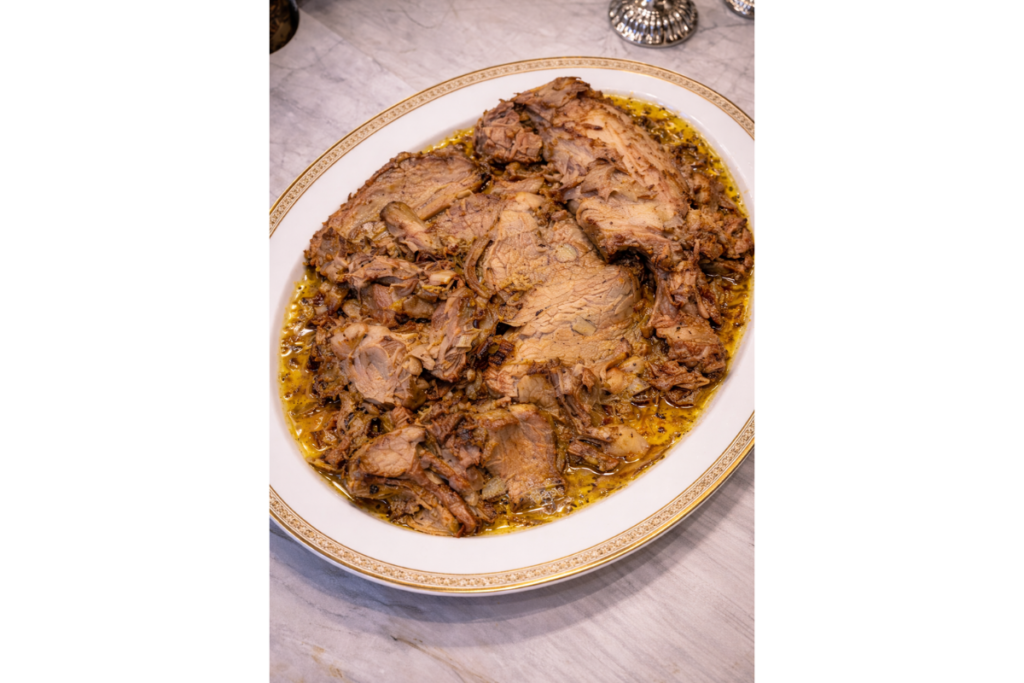
There is something so comforting about ending the year at home with good food and the people I love. For me, that kind of evening always feels more meaningful than anything fancy. It is calm, warm, and full of the little moments that make a meal memorable. This New Year’s Eve prime rib dinner was exactly that.
I wanted our meal to feel festive, but I also wanted it to feel relaxed. I did not want to stress over making everything perfect. Instead, I focused on serving food that felt hearty, comforting, and worth gathering around the table for. That simple plan turned into one of my favorite meals of the season.
Why This New Year’s Eve Prime Rib Felt So Special
The star of the night was the prime rib. It cooked low and slow, and the smell filled the whole house long before dinner was ready. That rich aroma always makes people start drifting into the kitchen, asking if it is almost time to eat. If you are cooking prime rib for a holiday meal, it also helps to check the USDA’s safe minimum internal temperature chart.
For me, prime rib is one of those dishes that instantly makes a meal feel like a celebration. It is hearty, flavorful, and perfect for a holiday table. Even without complicated sides or fancy presentation, it still feels special.
That is what I loved most about it. It gave the meal a beautiful centerpiece, but it still fit the cozy mood I wanted for New Year’s Eve at home.
What I Served with the Prime Rib
To make the meal feel complete, I paired the prime rib with a mix of comforting sides and family favorites. I like having a little variety on the table because it gives everyone something they enjoy.
We had baked potatoes, which were fluffy inside and perfect with butter and toppings. I also made roasted Brussels sprouts, which added a savory and slightly caramelized vegetable side. Then there was Yang Chow fried rice, which is always a favorite and tends to disappear quickly. I also served baked salmon so there was a lighter option on the table.
I really enjoy building a meal this way. It makes the table feel full and generous without feeling overwhelming. Each dish brings something different, but they all work together.
The Little Extras That Made the Meal Feel Warm
Sometimes it is the extra touches that make a dinner feel even more memorable. For this meal, I kept a basket of fresh fruit on the table. It added color, and it also gave a fresh contrast to the richer dishes.
For dessert, I made two favorites that felt just right for the evening. One was a keto-friendly chocolate mousse, which was rich and creamy without feeling too heavy. The other was buko pandan salad, which brought something cool, lightly sweet, and familiar to the table.
I also served cheese fondue with assorted dippers. That turned out to be one of the coziest parts of the meal. There is just something about warm, melty cheese that makes people slow down and stay at the table a little longer.
And honestly, that is one of my favorite parts of any holiday meal.
Why I Love Celebrating at Home
What I loved most about this dinner was not just the food. It was the feeling around it. A meal like this creates space to sit down, talk, and enjoy being together.
I think that is why I enjoy celebrating at home so much. There is less pressure, and everything feels more personal. I can cook at my own pace, serve the dishes I know we will enjoy, and create a table that feels welcoming instead of stressful.
That kind of celebration feels more lasting to me. It is not about impressing anyone. It is about sharing something warm and meaningful.
Ending the Year with Good Food and Gratitude
This New Year’s Eve prime rib dinner was not about perfection. It was about warmth, comfort, and sharing food that felt special without making the evening feel complicated.
Cooking this meal and sitting down together felt like the best possible way to end the year. It reminded me that some of the best celebrations happen right at home, with full plates and familiar favorites on the table.
If you are planning a cozy holiday dinner at home, I think a meal like this truly hits all the right notes. It feels festive, satisfying, and easy to share.
For me, it was the kind of dinner that made the evening feel calm, happy, and complete. And that felt like a wonderful way to welcome a new year.
Slow Roasted Prime Rib – Well Done Version
Ingredients
- Prime Rib (6 to 8lbs)
- Unsalted Butter, softened
- Ground Black Pepper
- Herb de Provence
- Salt (use generously)
Instructions
- Preheat the oven to 450°F
- Prepare the Prime Rib. Rub the prime rib with the butter, ground pepper, Herb de Provence, and season generously with salt, just as in the original recipe.
- Sear the Rib. Place the prime rib on a roasting rack or in a roasting pan. Roast uncovered for 15–20 minutes at 450°F to develop a nice outer crust.
- Slow Roast. Reduce the oven temperature to 350°F. Cover the prime rib loosely with foil to prevent over-browning and continue baking until fully cooked.
- Cook Until Well Done. Insert a meat thermometer into the thickest part of the roast and cook until it reaches an internal temperature of 160°F.
- Rest the Meat. Remove the prime rib from the oven and let it rest, covered loosely with foil, for 15–20 minutes before slicing.
For a Perfect Medium Rare Roast
- Preheat the oven to 500°F
- Place the prime rib on a roasting rack or in a roasting pan and roast uncovered for 20–30 minutes, depending on the size of the roast, to develop a flavorful crust.
- After the initial roasting time, turn the oven off. Do not open the oven door. Leave the prime rib inside the closed oven for 2 hours, allowing it to finish cooking gently using the retained heat.
- After 2 hours, remove the prime rib from the oven. Slice and serve. This method produces a perfect medium-rare prime rib.
- Do not open the oven door during the resting period, as heat loss will affect the final doneness.
Notes for a Well-Done Prime Rib
A Thermometer is highly recommended for best results.
Resting the meat helps keep it juicy, even when cooked well done.
Cooking low and steady prevents the roast from becoming tough.