
Lent Season Traditions in the Philippines
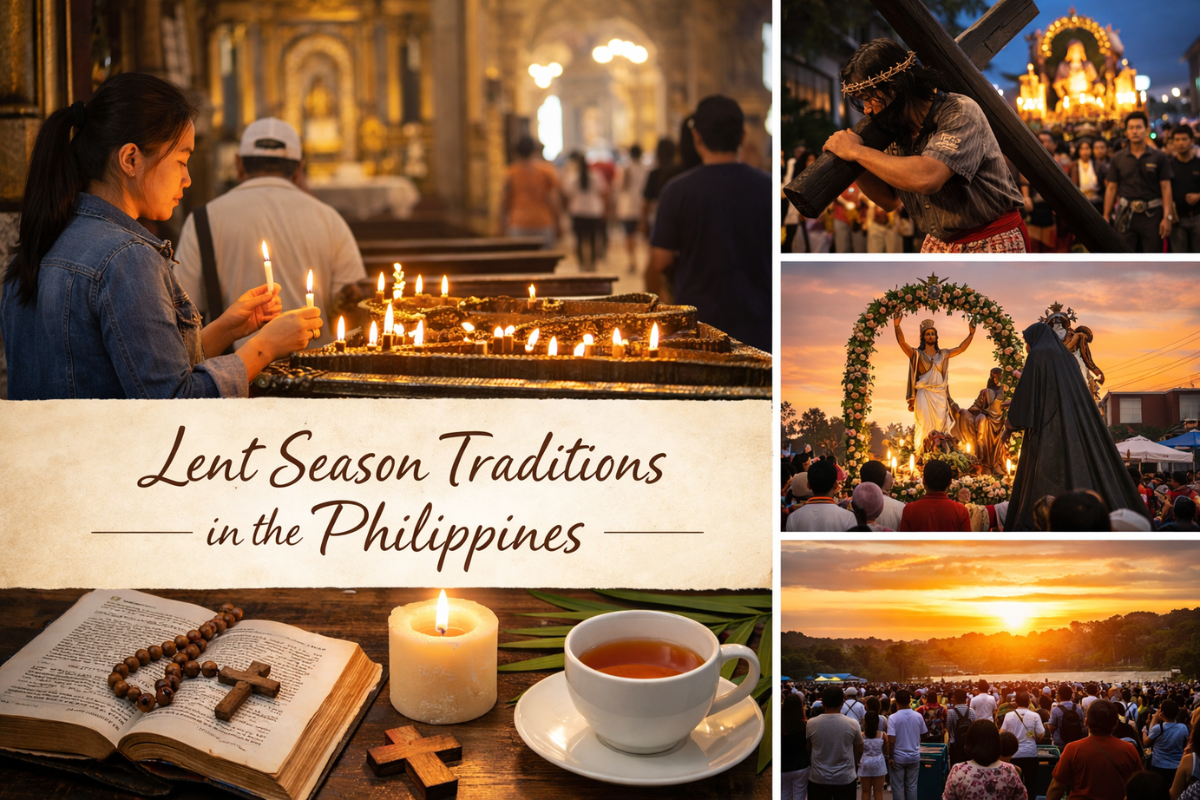
Every year when the Lenten season arrives, I find myself slowing down and reflecting more. For many Christians, Lent is a time of prayer, sacrifice, and preparation for Easter.
For me, the season also brings back many memories of Lent season traditions in the Philippines where I grew up.
Even now, those traditions still stay with me.
Holy Week in the Philippines feels very different from an ordinary week. Life becomes quiet, reflective, and centered on faith.
When Holy Week Becomes a Quiet Holiday
In the Philippines, the Holy Week holiday usually begins on Thursday and continues through Sunday.
Most offices and businesses close from Thursday through Saturday. Many people take time away from work to observe the season.
During those days, the country becomes noticeably quiet.
You will not hear loud celebrations or busy entertainment. Many television stations stop regular programming. Radio stations also become quiet.
The atmosphere changes.
People spend more time praying, attending church, and reflecting.
Most establishments reopen on Easter Sunday, when the joyful celebration begins.
Visita Iglesia on Holy Thursday
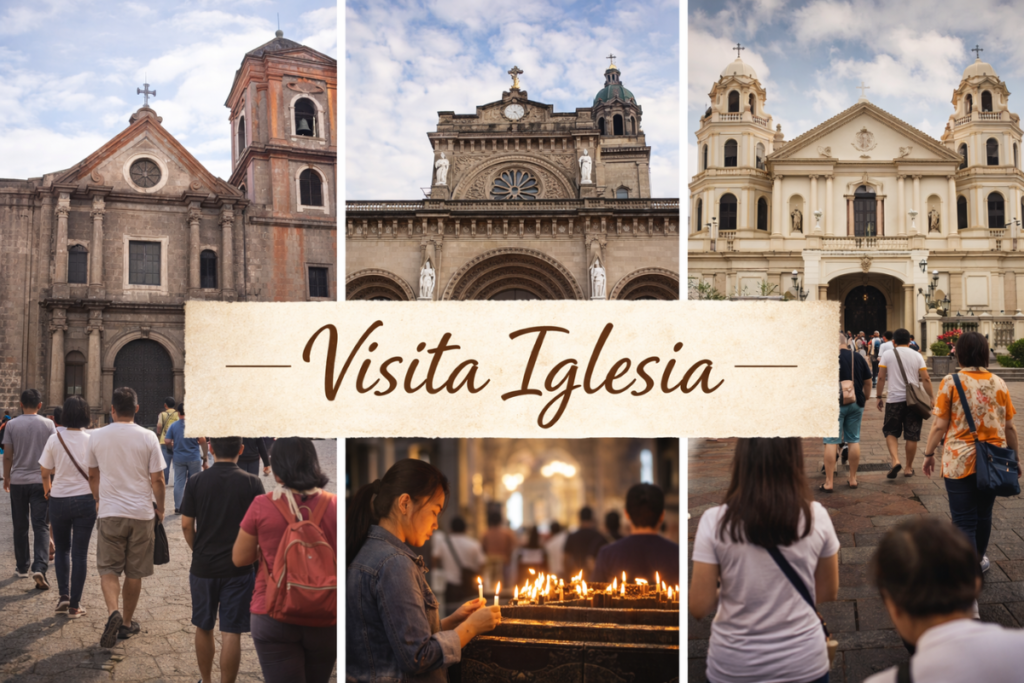
One of the most meaningful traditions during Holy Week is Visita Iglesia.
On Holy Thursday, families visit several churches to pray. The goal is to visit fourteen churches, which represents the 14 Stations of the Cross.
At each church, we pray one station before moving on to the next church.
When I was younger, we used to walk from one church to another. However, some churches are far from each other.
Because of that, we often needed transportation between stops.
We would ride jeepneys, tricycles, or taxis, depending on what was available.
Along the way, you would see many people doing the same thing. Some families walk quietly together. Others travel in small groups.
It is not just a tradition. It is also part of our faith and sacrifice during this season.
Good Friday and the Seven Last Words
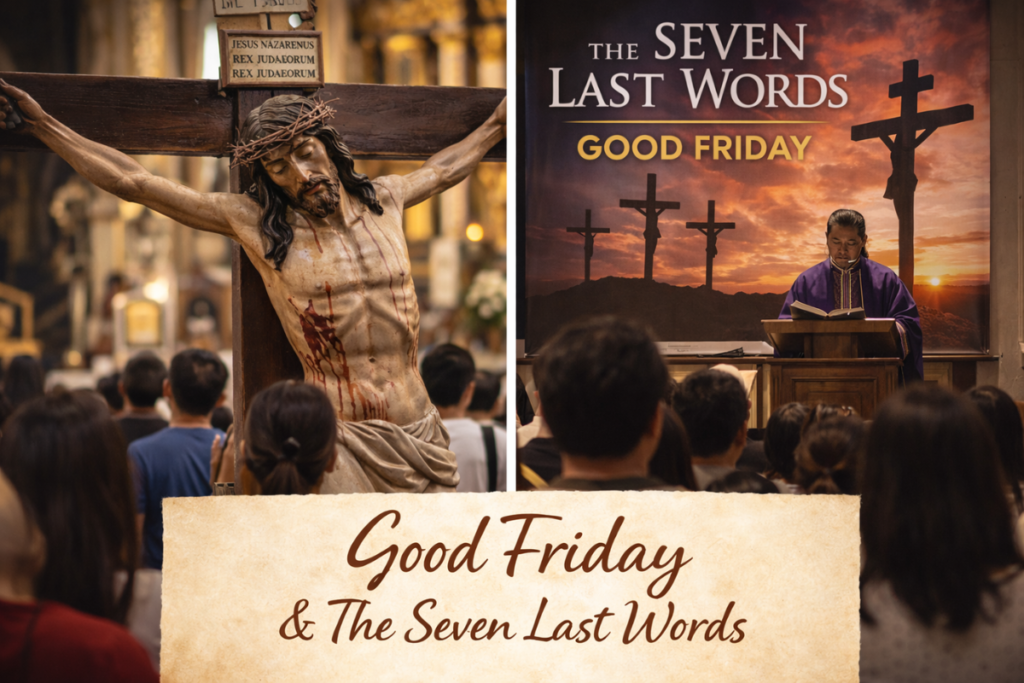
Good Friday, or Biyernes Santo, is one of the most solemn days of Holy Week.
Many people observe fasting and spend the day quietly.
One important tradition is listening to the Seven Last Words, also called Siete Palabras. These are reflections on the final words spoken by Jesus on the cross.
Churches often hold services where priests or speakers reflect on each of these final sayings.
Some television stations will also show movies about the life of Jesus or the story of the crucifixion.
However, everything becomes very quiet after 3 PM.
This moment is significant because it represents the time when Jesus died on the cross.
After that time, most stations go silent.
It is a moment of deep reflection.
Processions, Senakulo, and Acts of Faith
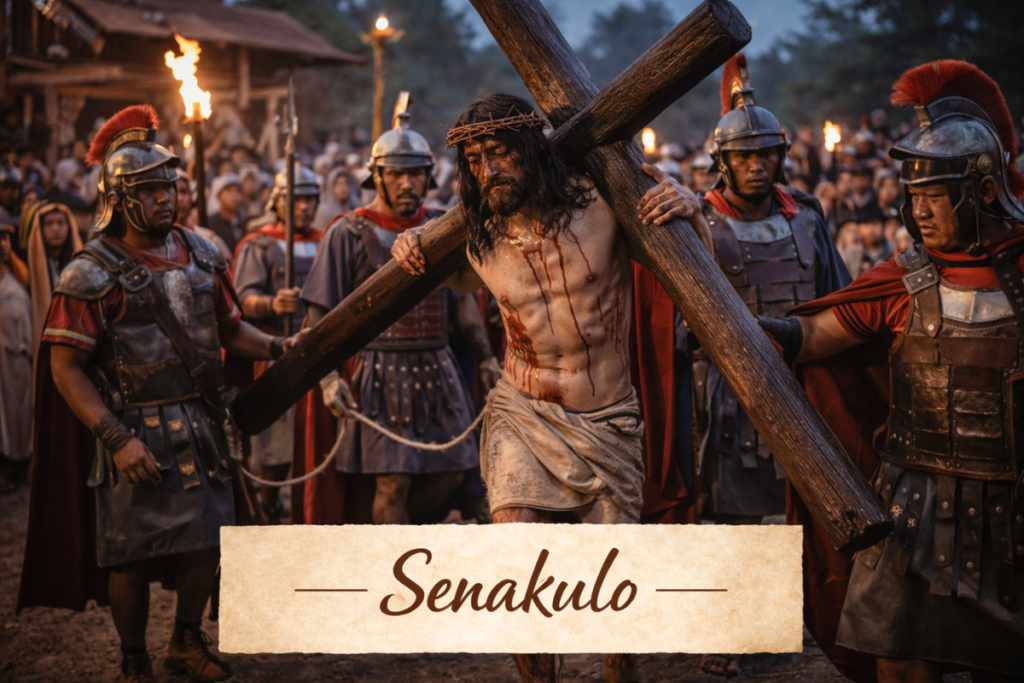
During Good Friday, many communities also hold religious processions.
People walk through the streets carrying statues of saints and scenes from the Passion of Christ.
Some communities perform Senakulo, which is a live reenactment of the suffering and crucifixion of Jesus.
These performances bring the story of Holy Week to life.
You may also see people carrying crosses while walking through the streets. For some, this act represents sacrifice, devotion, and faith.
These traditions can be powerful to witness.
They remind people of the deeper meaning of the season.
The Quietness of Holy Saturday
After the solemn events of Good Friday, Holy Saturday feels very quiet.
Many people spend the day resting or continuing their prayers.
It is a time of waiting.
Churches may hold evening services called the Easter Vigil, which prepares for the celebration of Easter.
Even though the day is quiet, there is a sense of hope and anticipation.
The Joy of Easter Sunday
Everything changes on Easter Sunday.
The quiet reflection of Holy Week turns into celebration.
Church bells ring again. Families gather. Churches become full of joyful worship.
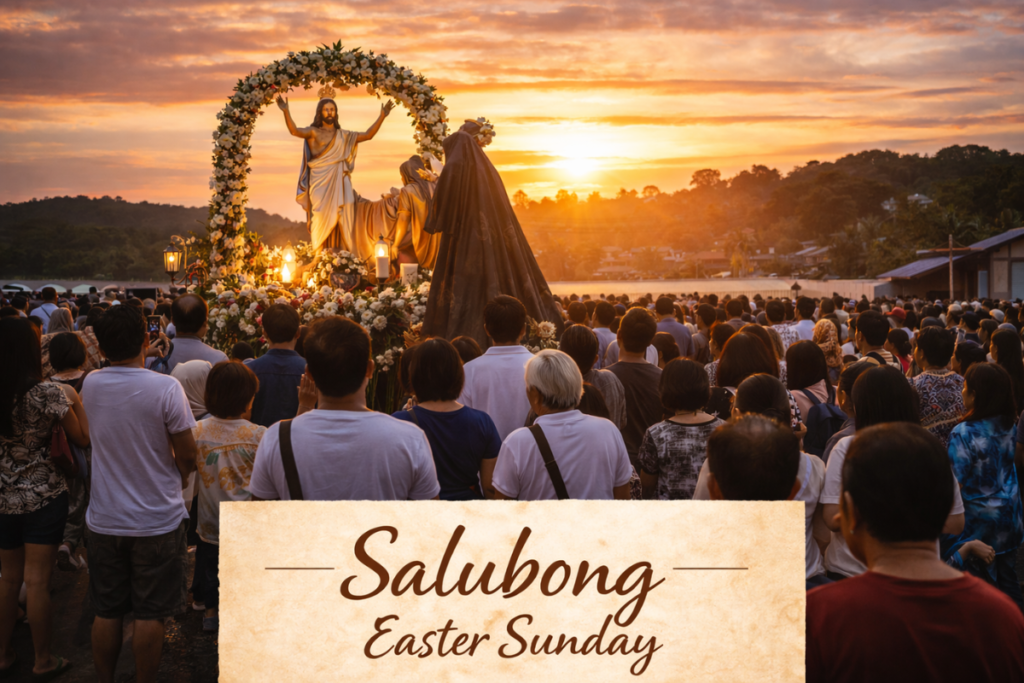
In many places in the Philippines, there is a special early morning tradition called Salubong. This reenacts the meeting of the risen Christ and the Virgin Mary.
It is a beautiful and emotional moment for many families.
Easter Sunday reminds us that after sacrifice and reflection comes renewal and hope.
Carrying These Traditions with Me
Even though I now live far from the Philippines, those Holy Week traditions still live in my heart.
They shaped how I understand Lent.
Today, I may observe the season in quieter ways at home. I spend time reflecting, praying, and appreciating simple moments.
But the memories of Visita Iglesia, Good Friday reflections, and Easter celebrations remain part of my faith.
Those traditions remind me that Lent is not only about sacrifice.
It is also about reflection, gratitude, and hope.